
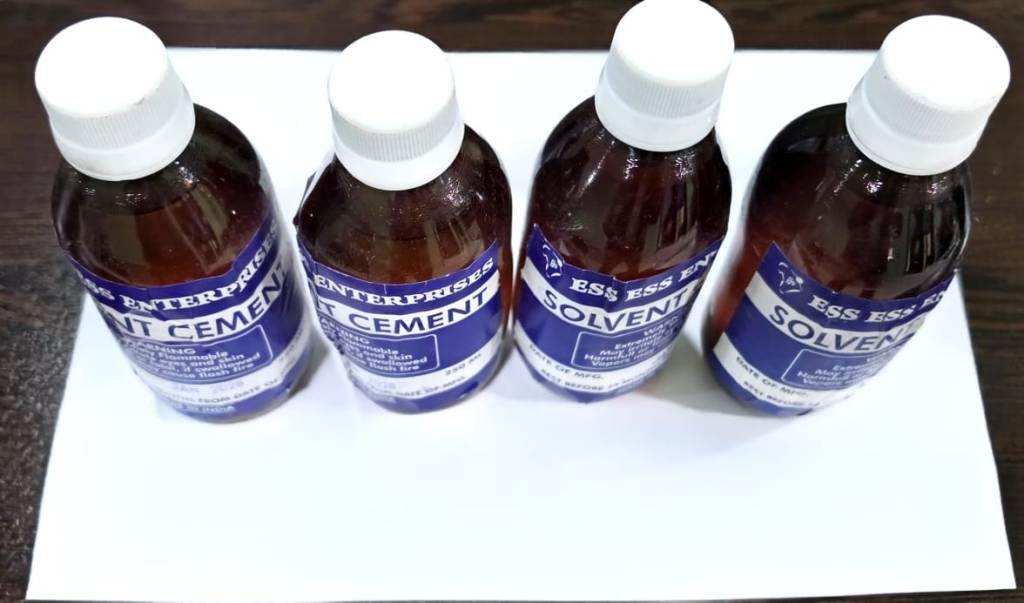
Proper disposal of solvents is a crucial aspect of responsible waste management for businesses. Solvents are often used in various industries for cleaning and many other processes. However, improper disposal can lead to environmental pollution and risks to human health.
Importance of Responsible Solvent Disposal
Learning how to dispose of solvents safely and responsibly is essential to protect the environment and public health. Solvents can be hazardous to the environment, contaminating several vital elements, if these elements are not disposed of properly. Exposure to hazardous solvents can pose health risks to workers and the public. Proper disposal prevents accidental exposure that may occur. Additionally, many countries have strict regulations governing hazardous waste disposal, including solvents. Non-compliance can result in penalties and legal issues for businesses.
Safe Methods for Disposing of Solvents
There are several responsible ways that solvents can be disposed of safely. One such way is by recycling them. Recycling solvents is an environmentally friendly option, as some can be reprocessed and reused, reducing the need for new and raw materials. Another safe method is high-temperature incineration, which converts the solvents into less harmful byproducts. To neutralize hazardous components, chemical treatment processes can make solvents less harmful before disposal. Finally, if recycling or treatment is not feasible, secure hazardous waste landfills are designed to prevent contamination.
How to Dispose of Solvents
There are several steps when disposing of solvents:
- Identify hazardous solvents – determine which solvents used in your business will require special disposal
- Use certified disposal facilities – choose authorized disposal facilities that comply with environmental regulations and that are equipped to handle hazards
- Package and label properly – ensure solvents are securely packaged and labeled to prevent accidental exposure
- Train workers – educate employees on the importance of proper disposal and the correct procedures to follow
More Options
To protect the environment, the safest way to dispose of solvent cement is to completely empty and harden the product rather than pouring it down the drain or into the soil. Never burn the chemicals yourself. Instead, take dried, solidified waste to a licensed local hazardous waste facility.
- Hardening the Cement:
- If the can is almost empty: Leave the lid off in a well-ventilated, outdoor area away from children, pets, or open flames. Allow the leftover solvent to evaporate completely until the remaining cement becomes a solid, inert lump.
- If the can is partially full: Mix the liquid with an absorbent material like sawdust, cat litter, or sand. Once the mixture hardens into a solid mass, you can dispose of it safely.
2. Disposing of the Solid Waste:
Once the solvent cement is thoroughly dried and hardened, it is generally considered non-hazardous in solid form.
- Check with your local municipal waste management, environmental authority, or city council to confirm their specific regulations for solid chemical waste.
- If local guidelines require it, take the hardened cans and waste to a designated household hazardous waste (HHW) collection center or drop-off point.
3. Empty Containers:
Discarding empty metal or plastic solvent cement cans requires safety precautions:
- Even “empty” cans contain hazardous fumes and residue.
- Allow all residual liquid inside the open container to evaporate completely.
- Consult your local waste management services to see if the dried, empty cans can be accepted alongside standard recyclables or if they require specialized.
4. Spills:
If you spill solvent cement, never wipe it up with water, which can spread the chemicals. Instead, absorb the spill immediately using sand, cat litter, or dirt. Place the contaminated absorbent into a sealed, labeled container and hand it over to professional hazardous waste disposal services.


Leave a Reply